DFO313 Launches ‘Real Talk’ Series to Open the Door for Detroit’s Black and Brown Contractors
February 26, 2026
The four-part fireside chat series kicked off with developer Richard Hosey breaking down the financial barriers that keep local firms locked out of Detroit’s building boom.
By Michael D. Gutierrez
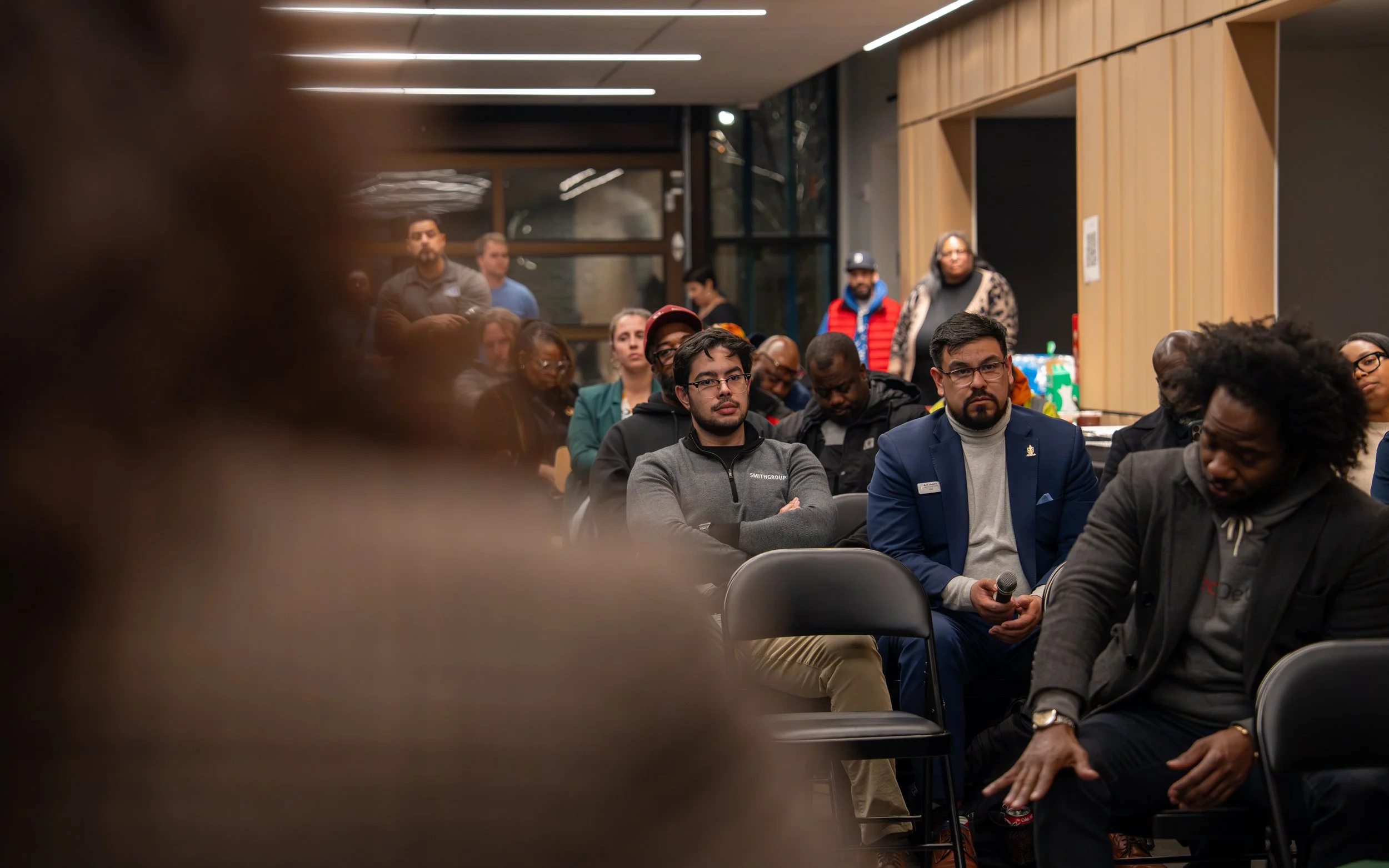
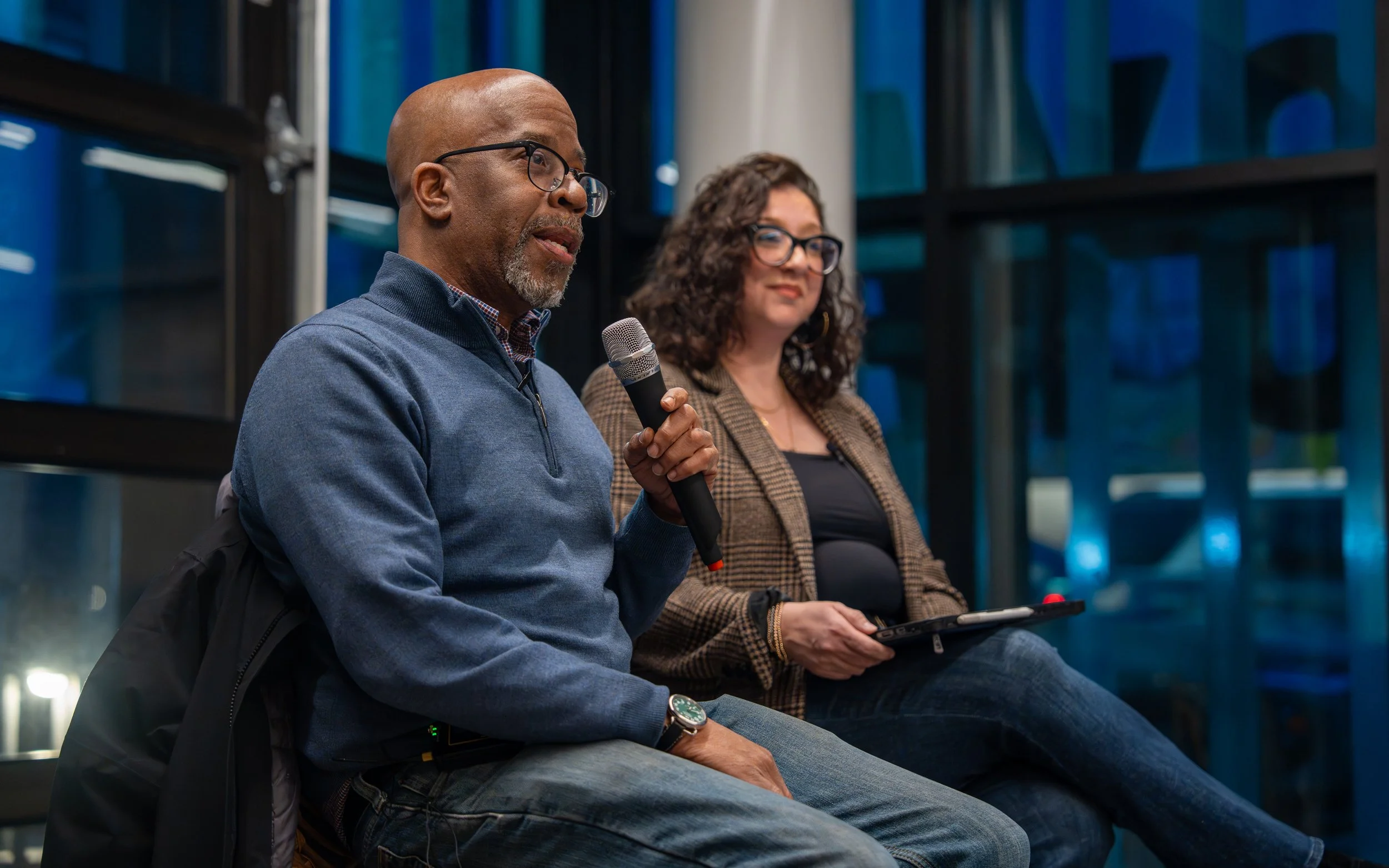
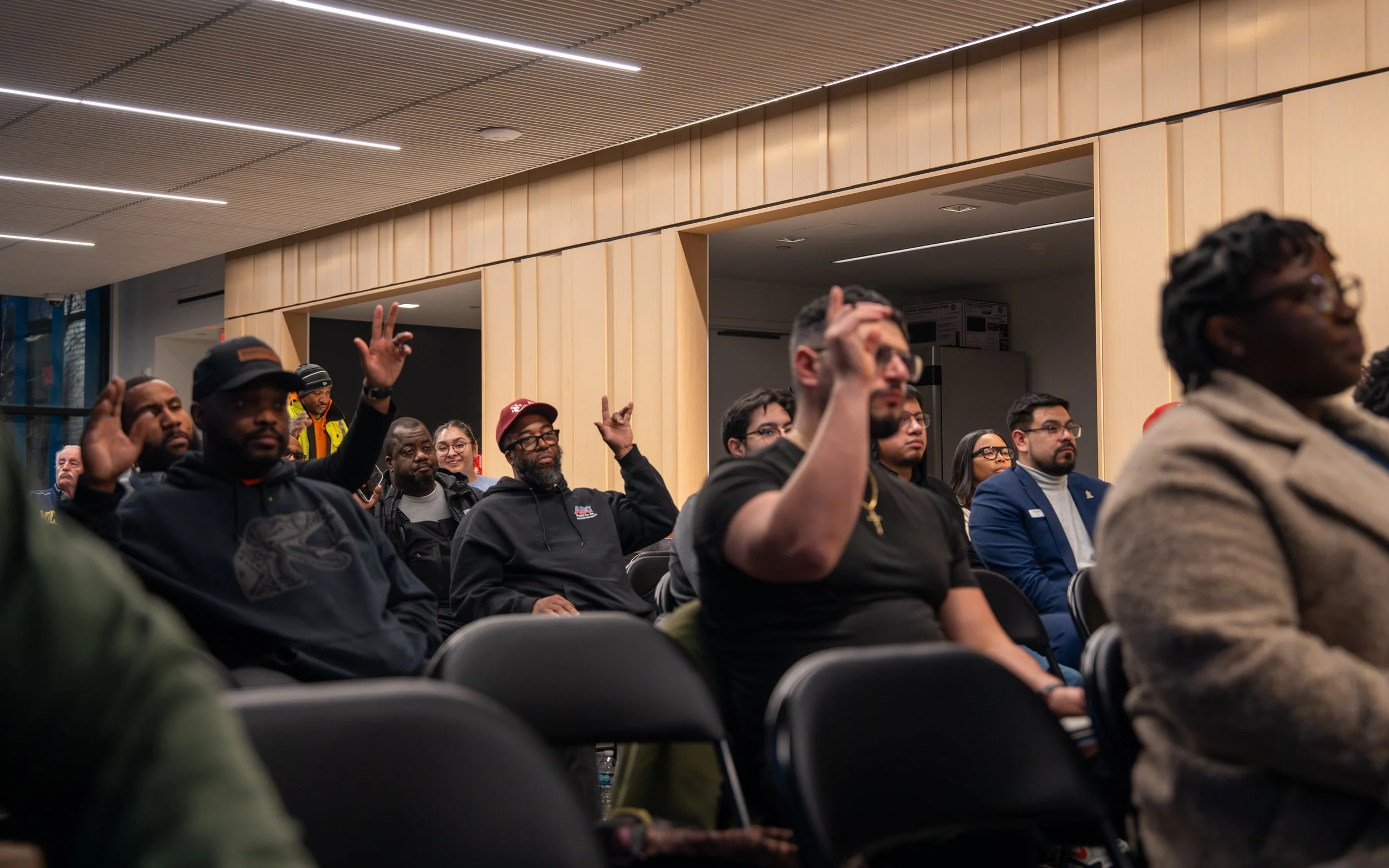
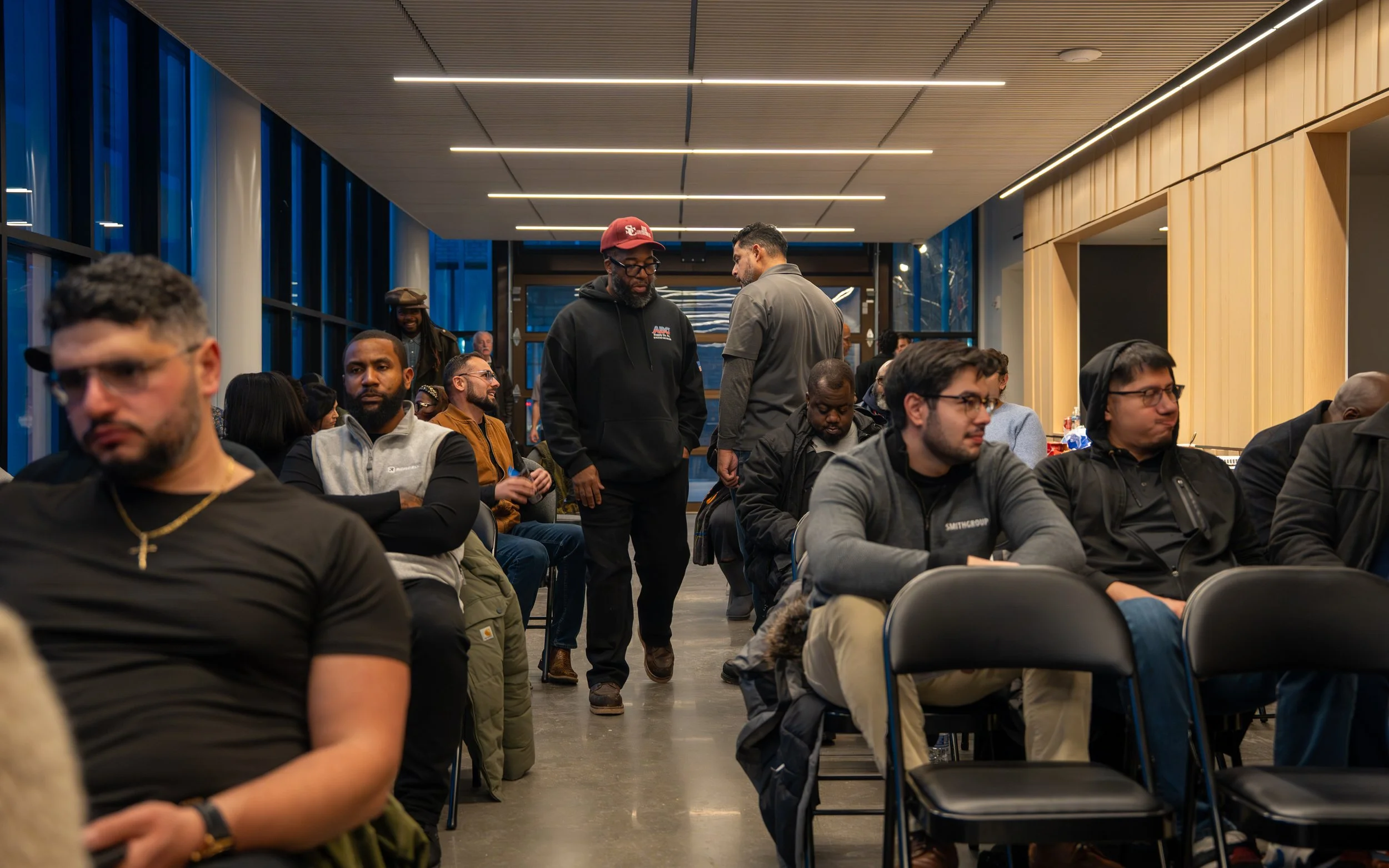
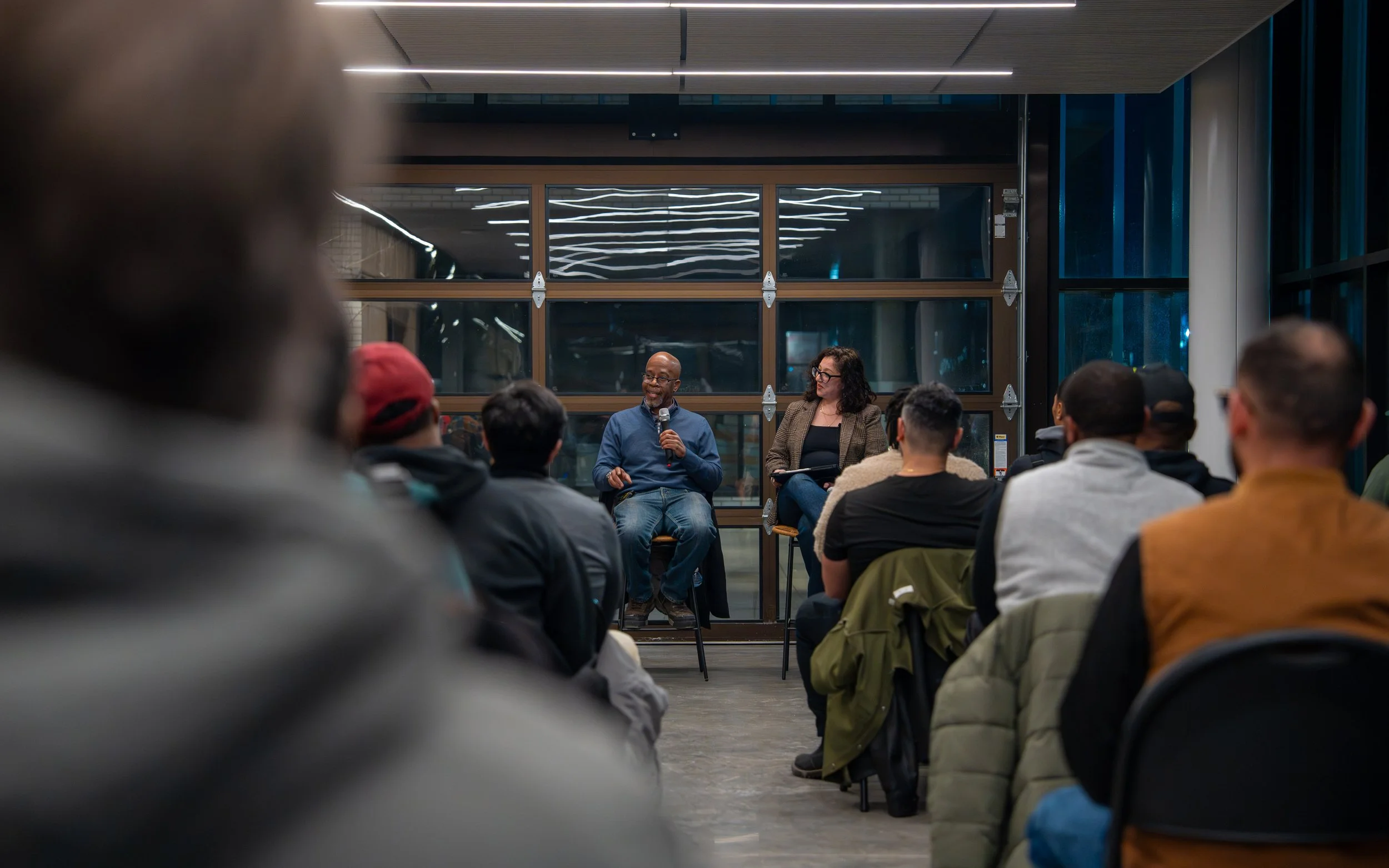
Richard Hosey sat in front of a room of nearly 45 contractors and developers at La Joya Gardens on West Vernor last Thursday and put words to what most of them already knew. The construction industry was built to exploit anyone without money. For Black and Brown contractors, he said, the math is even worse. "This business was rigged to exploit under-capitalized white males. We're just bonuses."
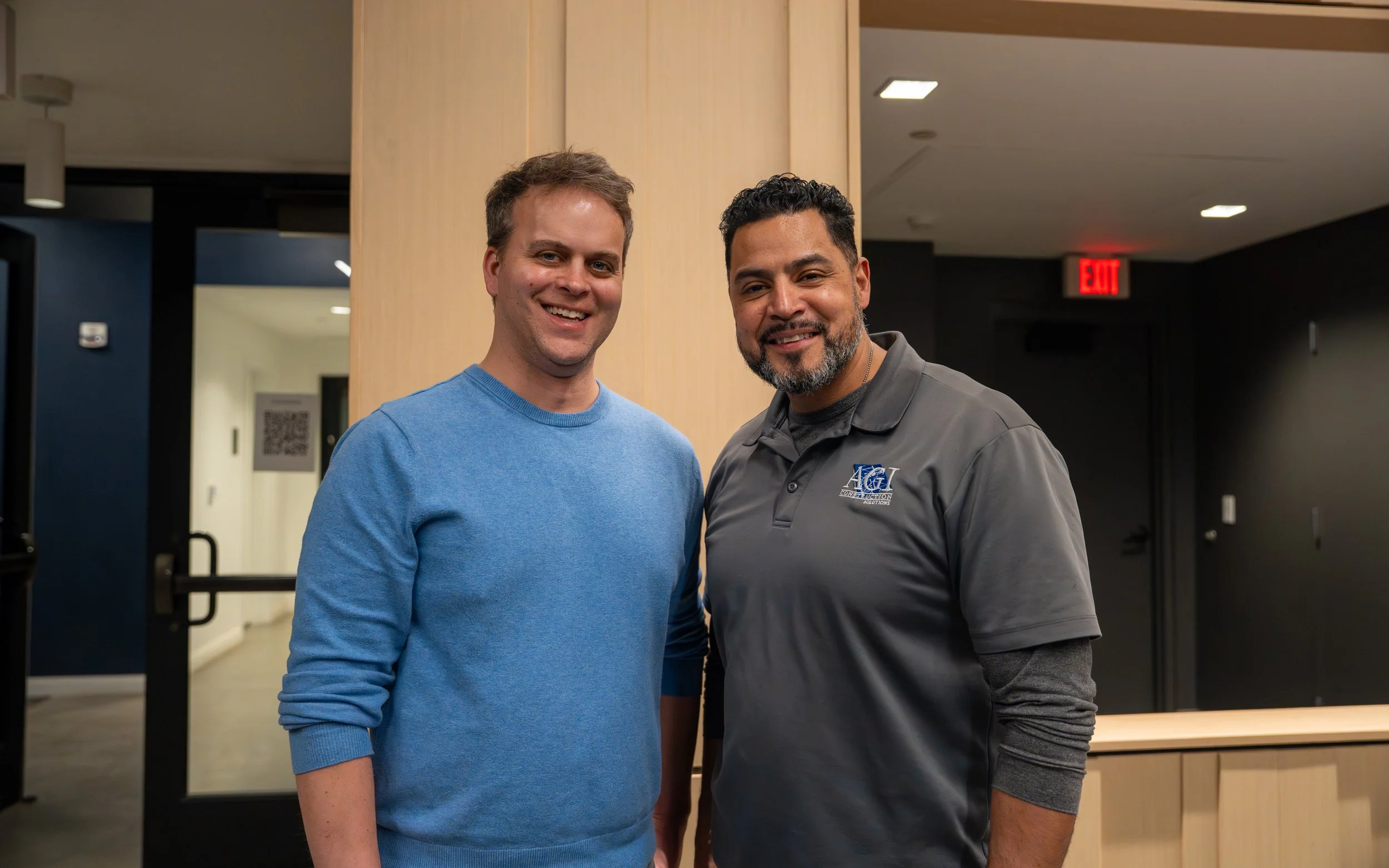
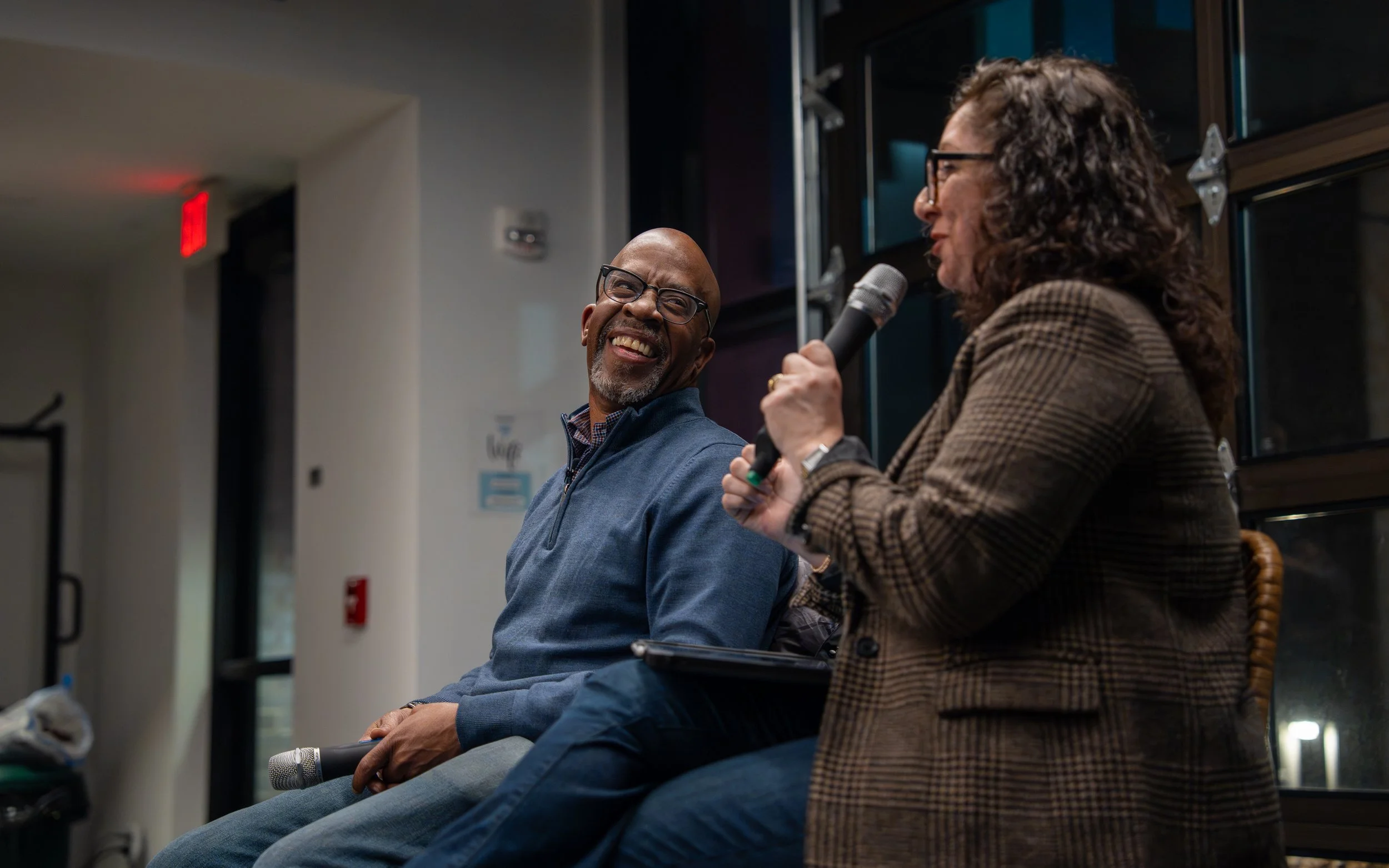
That kind of candor is what Tanya Saldivar-Ali and her husband Luis Ali built their “Real Talk” series to produce. Saldivar-Ali, who moderated the panel, co-founded AGI Construction with her husband in 2008. They launched DFO313, the workforce development arm of AGI, two years ago after nearly two decades of working as minority contractors in an industry she described as “very white male dominated.”
Hosey and his partner Greg Jackson are turning Fisher Body Plant 21 into 433 apartments with more than 20 percent affordable units and 38,000 square feet of commercial space. The development costs are estimated at between $140 and $155 million, making it the largest Black-led construction project in Michigan history.
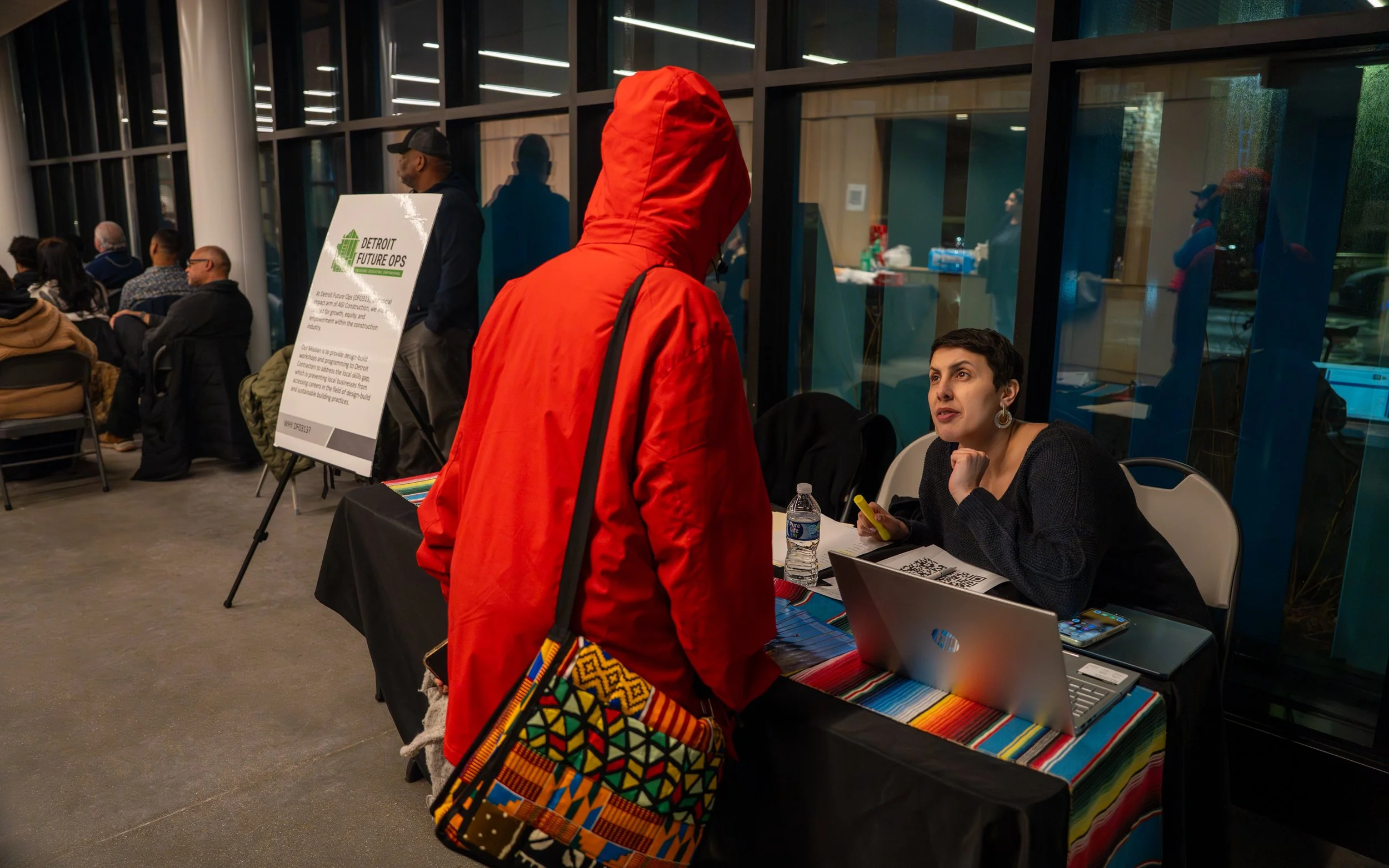
The “Real Talk” series grew out of roundtable conversations DFO313 started holding with contractors at their Hubbard Richard headquarters, the Design-Build Green Hub, to talk through barriers that Saldivar-Ali says amounted to everything going wrong that nobody could figure out alone.
“The idea around Detroit Future Ops (DFO) is to really build out a trusted network of contractors and to centralize resources and programming,” Saldivar-Ali said during the panel. “When people started engaging with us, they were just like, ‘Hey, can we talk about this legal situation?’ And it’s not that we had the answer. It was just, ‘Oh yeah, been there, done that. You should go talk to so and so.’”
Hosey’s session was the first of four scheduled programs in the first part of this year. Each takes on construction and development through a different lens. March 26 turns to affordable housing, April 16 to operations, and May 21 to sustainability. Dates and topics are still tentative, and DFO313 is fundraising to extend the initial programs into the fall months.
Ali, an electrician by trade and current board chair of the Southwest Detroit Business Association (SDBA), said the actual construction accounts for about 20 percent of running a contracting business. The rest is finance, process, and business management.
“Most people can do the work, but it’s not the work,” Ali said in a separate interview. “Partnership is the new leadership. There’s nothing wrong with sharing to make other people better.”
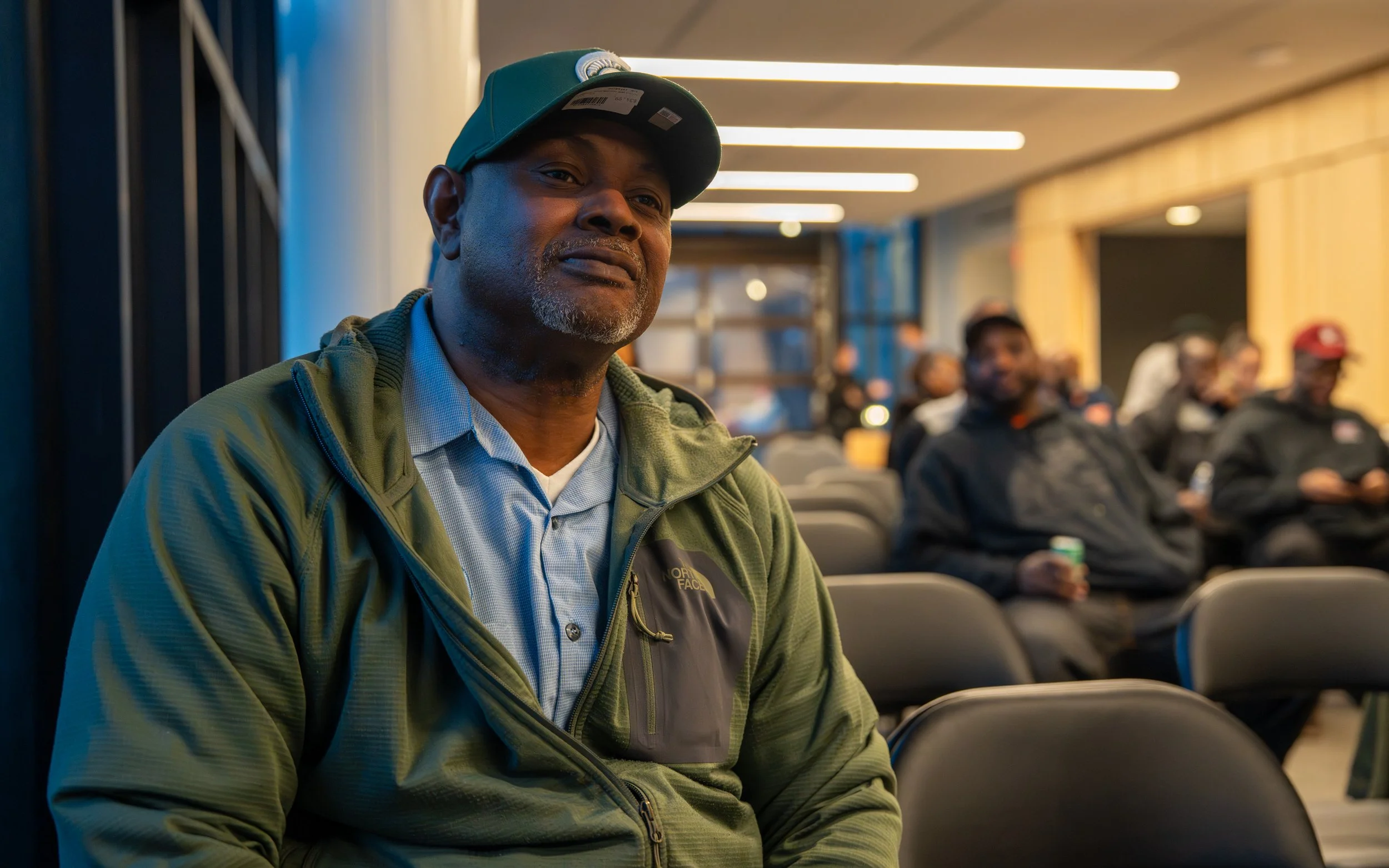
Aaron Marks is one of those people. He’s been an electrician for 29 years and has worked for other contractors his entire career. He showed up looking for mentorship as a way to avoid the pitfalls he knows are out there. What feels most confusing to him right now is “making sure everything comes in on time and on budget.”
That’s exactly what Hosey spent the evening breaking down. During the panel, Hosey walked through a single line item to show the room what keeps local contractors out of projects like his. He mentioned the ductless mini-split system for Fisher 21 – just the end units and condensers – cost $1.6 million. Under the traditional model, a contractor would need to buy all that equipment upfront, warehouse it, and wait to get paid back over the course of a year.
“If I came to the contractor and said, I just need you to go buy $1.6 million worth of these things and then show up,” Hosey told the room, “that pushes a lot of people out.”
So he changed the deal. On Fisher 21, Hosey carries the materials cost himself. He buys equipment, puts tools on site, and pays contractors faster than the standard draw schedule.
He recalled pitching the idea to his general contractor years earlier. “What if I carry the job?” he asked. The answer to that changed everything.
“Then we don’t need any of these people,” the GC told him. “We just need the talent.”
Hosey also went after one of the most common excuses for low minority participation on Detroit job sites. He described a pamphlet from a local development organization that blamed low Black employment on illiteracy, drug use, and conviction rates.
Even accepting those inflated numbers, he said, you still have tens of thousands of qualified adults in the city.
The real barrier is money, Hosey argued. Excluding Black and Brown contractors shrinks the available labor pool and drives up pricing for everyone. “You got too many deals chasing too few white contractors, and that makes it where they are jacking up their pricing,” he shared.
Saldivar-Ali said contractors are almost always the last ones brought into a project, long after architects, engineers, and financing structures are locked in place. At that point, the contractor “doesn’t even understand what happened pre-deal,” she said. “They never get to see the finance, what looks good on paper, what actually makes a deal work or not.”
Terrence M. Hicks, a recruitment coordinator for The District Detroit, works under an executive order requiring 51 percent Detroit resident participation in its construction projects. He said most people never even hear about the opportunities, so he takes hiring information directly to community organizations, block clubs, and faith-based groups. Training only matters, he said, if there’s a job at the end of it.
Another attendee, Tyrez Treadways owns several homes in the city and is looking to develop more, but said he keeps running into the same wall. Every time he finds a property, a corporation already owns it. “If 80, 90 percent of everything is closed off, it’s like you kind of lose interest in trying to invest within Detroit,” Treadways said. “And start thinking about investing somewhere else.”
That impulse is what DFO313 is trying to counter. DFO313 surveys attendees after each session and builds future programming from their responses. The organization’s new website, www.dfo313.org, lists upcoming events.
“Let’s go deeper than networking events,” Ali said. “Let's talk about some really detailed things that are affecting us today. And then let’s share, and then let's come up with some solutions.”