DFO313’s ‘Real Talk’ Asks “Who Can Afford to Build and Who Can Afford to Buy?”
March 26, 2026
By: Michael D. Gutierrez
Photos By: Brayan Gutierrez
ShaWanna Gajewski builds homes that cost homebuyers about $2,300 a month to finance with a mortgage. The families she builds them for can afford about $1,600. Nobody in the room at DFO313’s second Real Talk panel on March 26 needed a calculator to see the problem. “Who bridges that gap?” Gajewski asked. “That’s the hard part.”
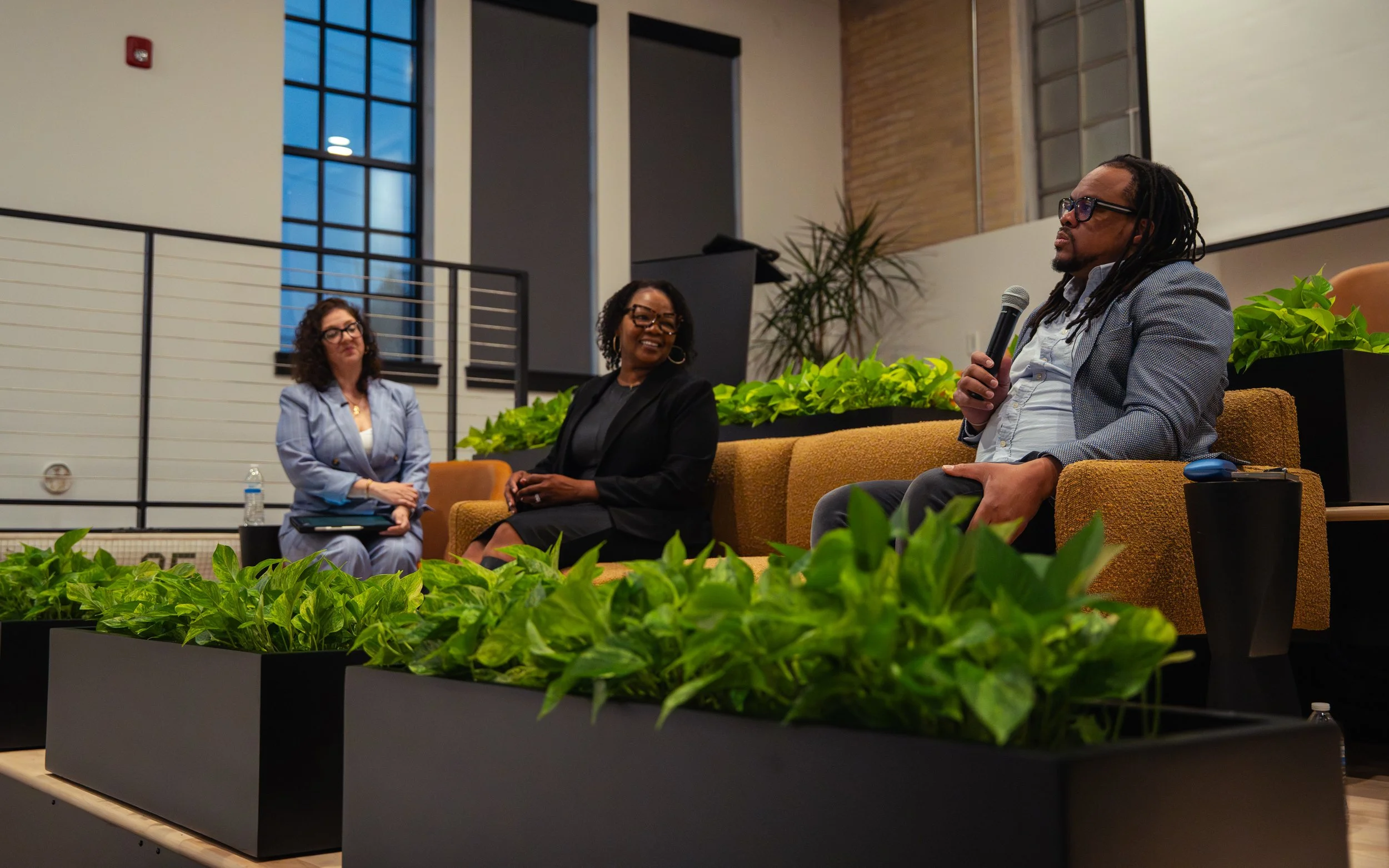
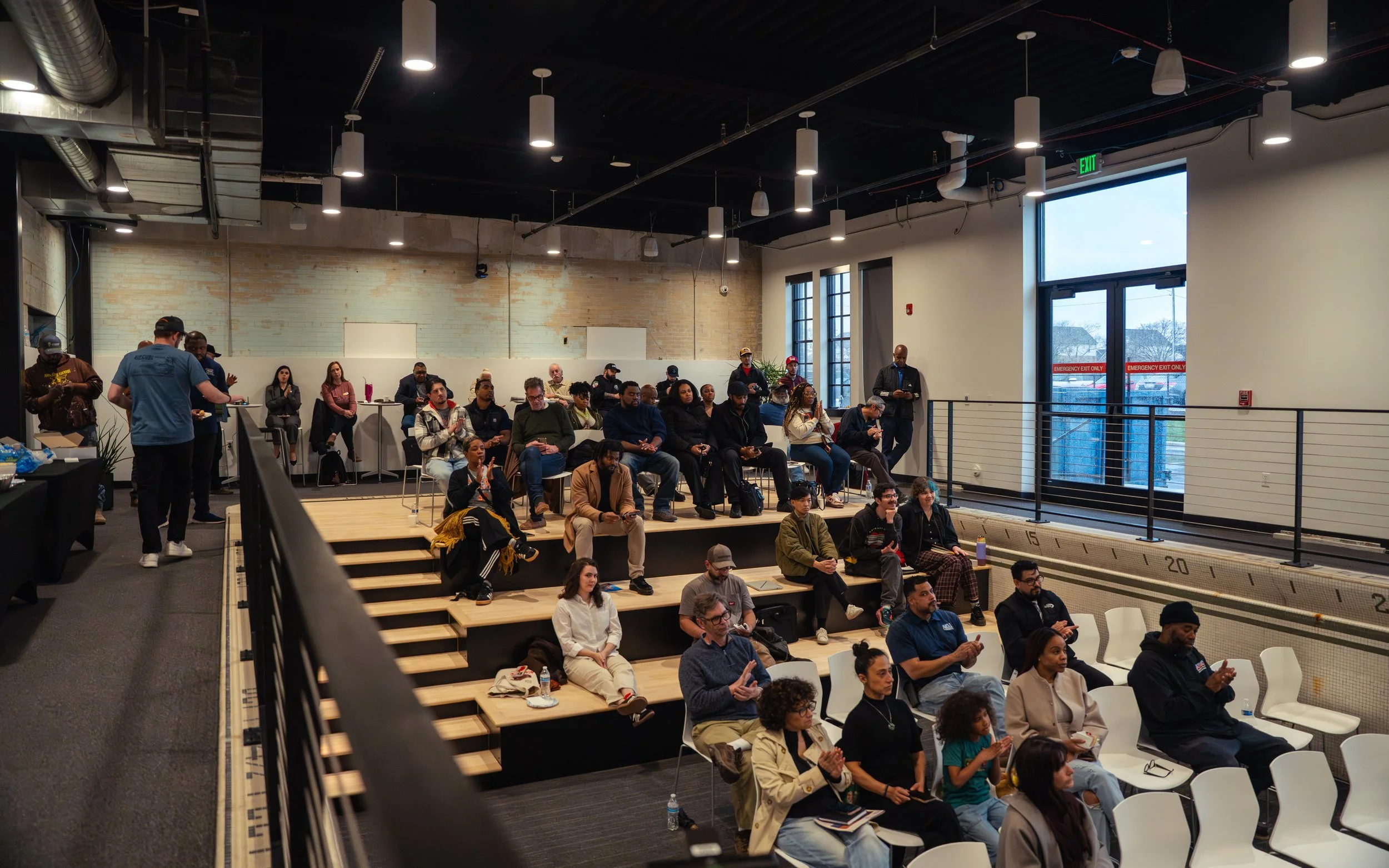
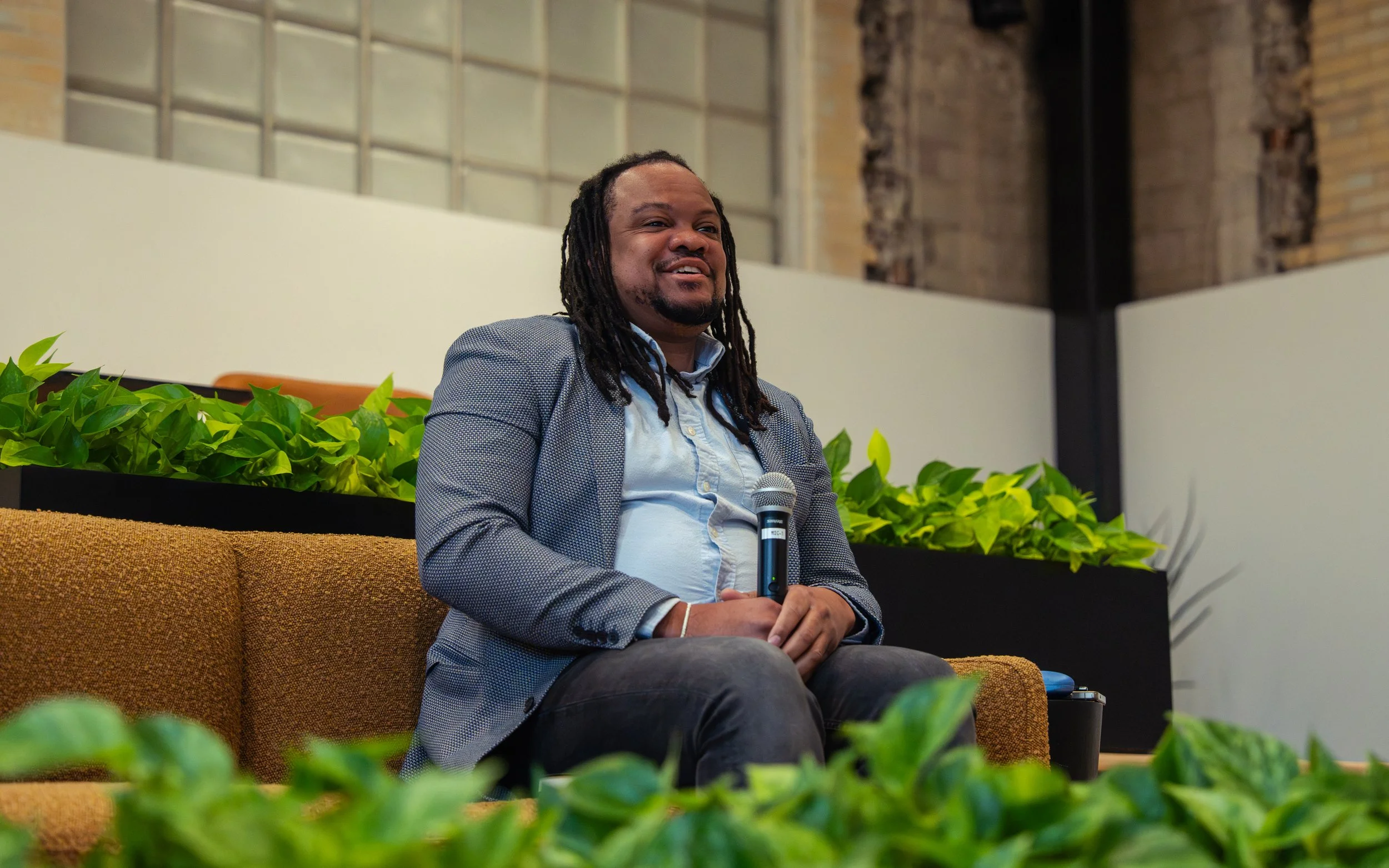
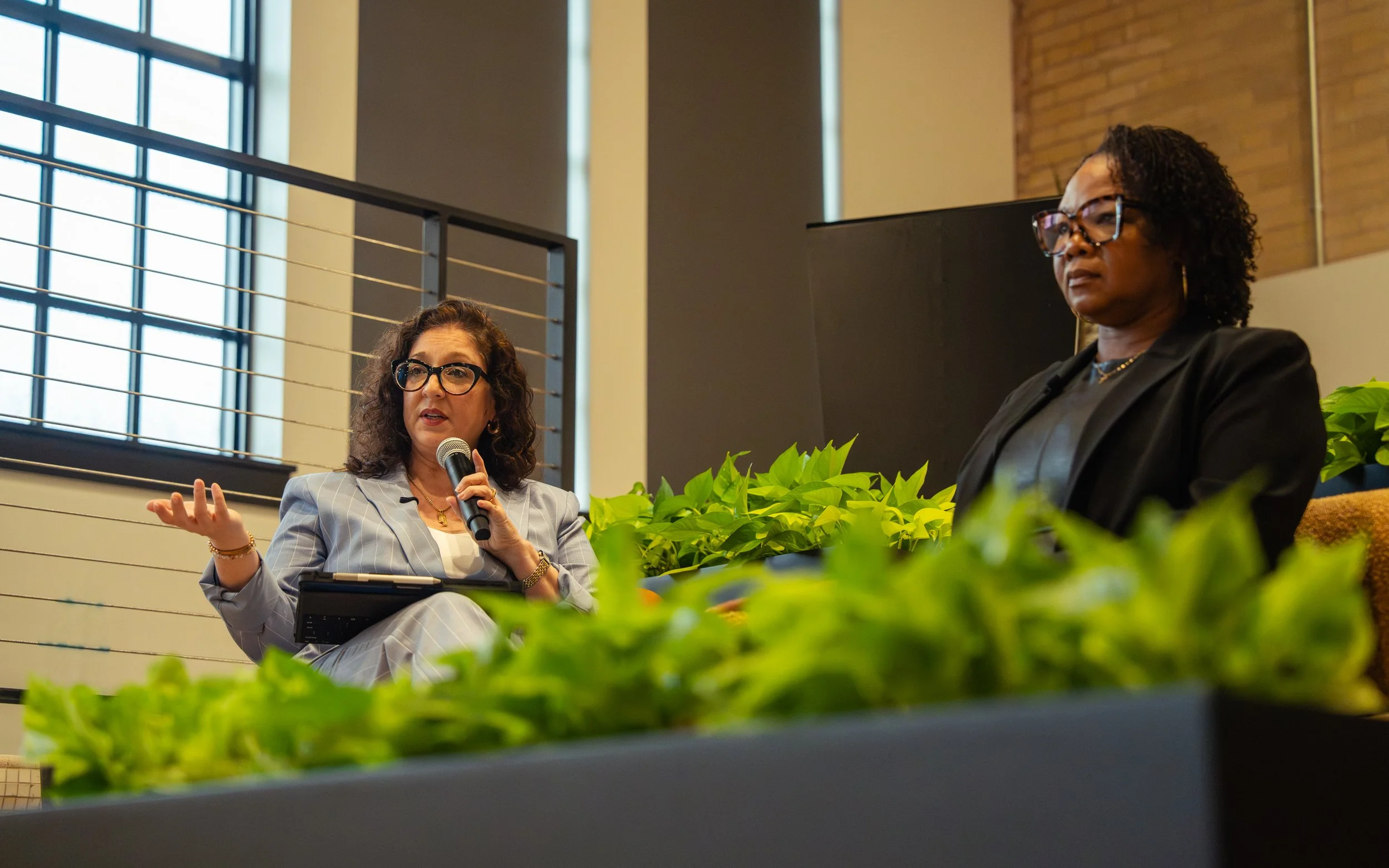
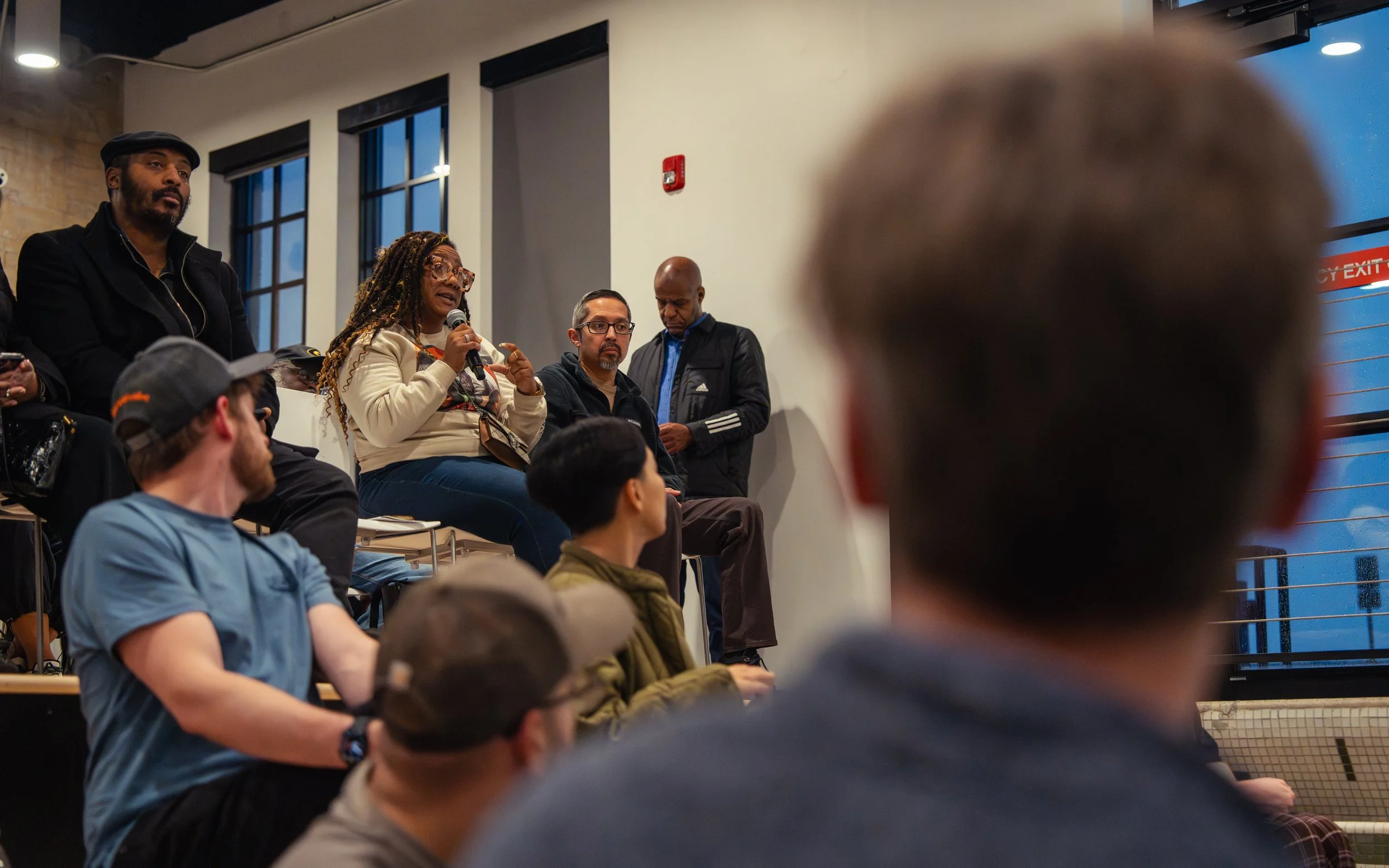
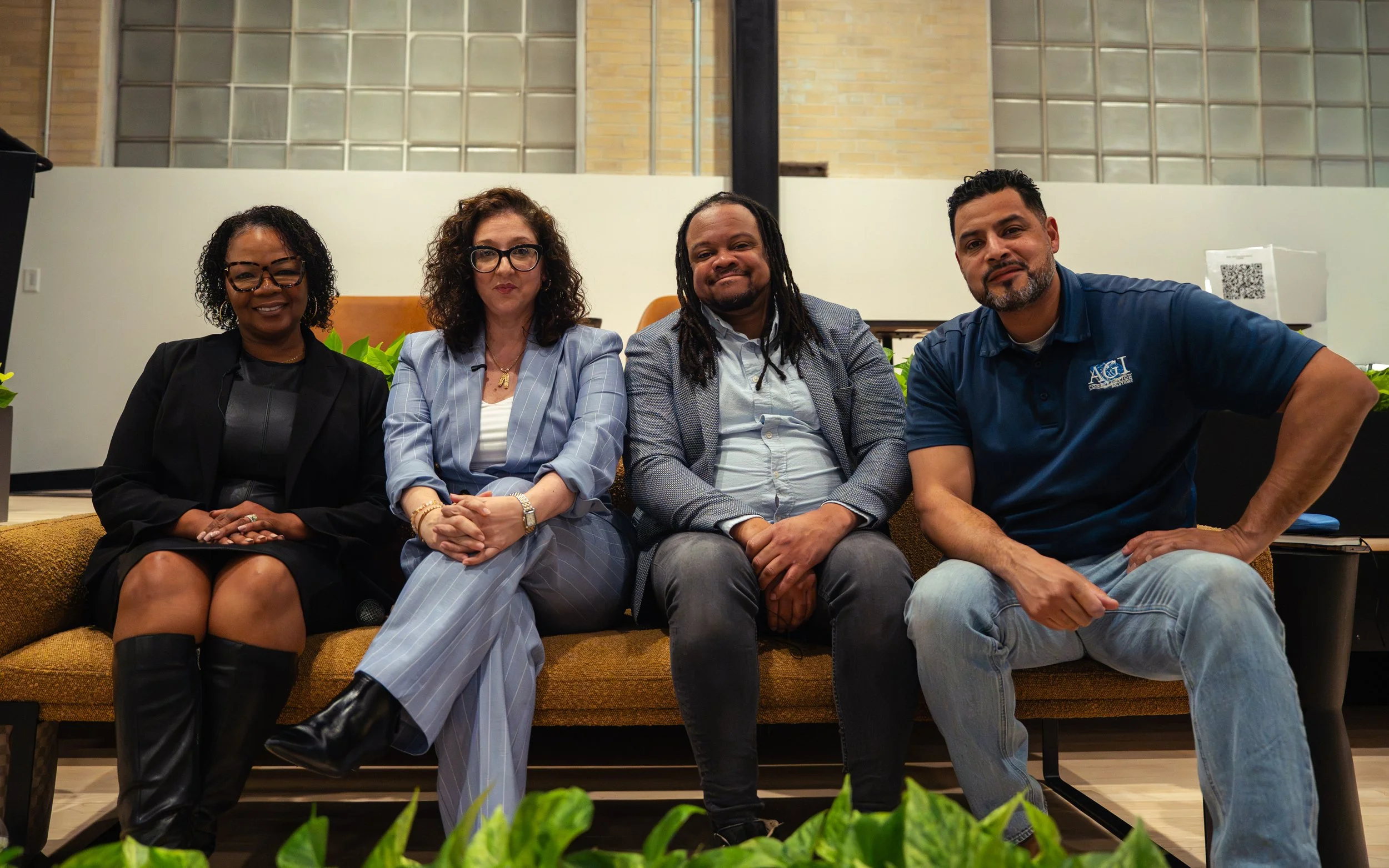
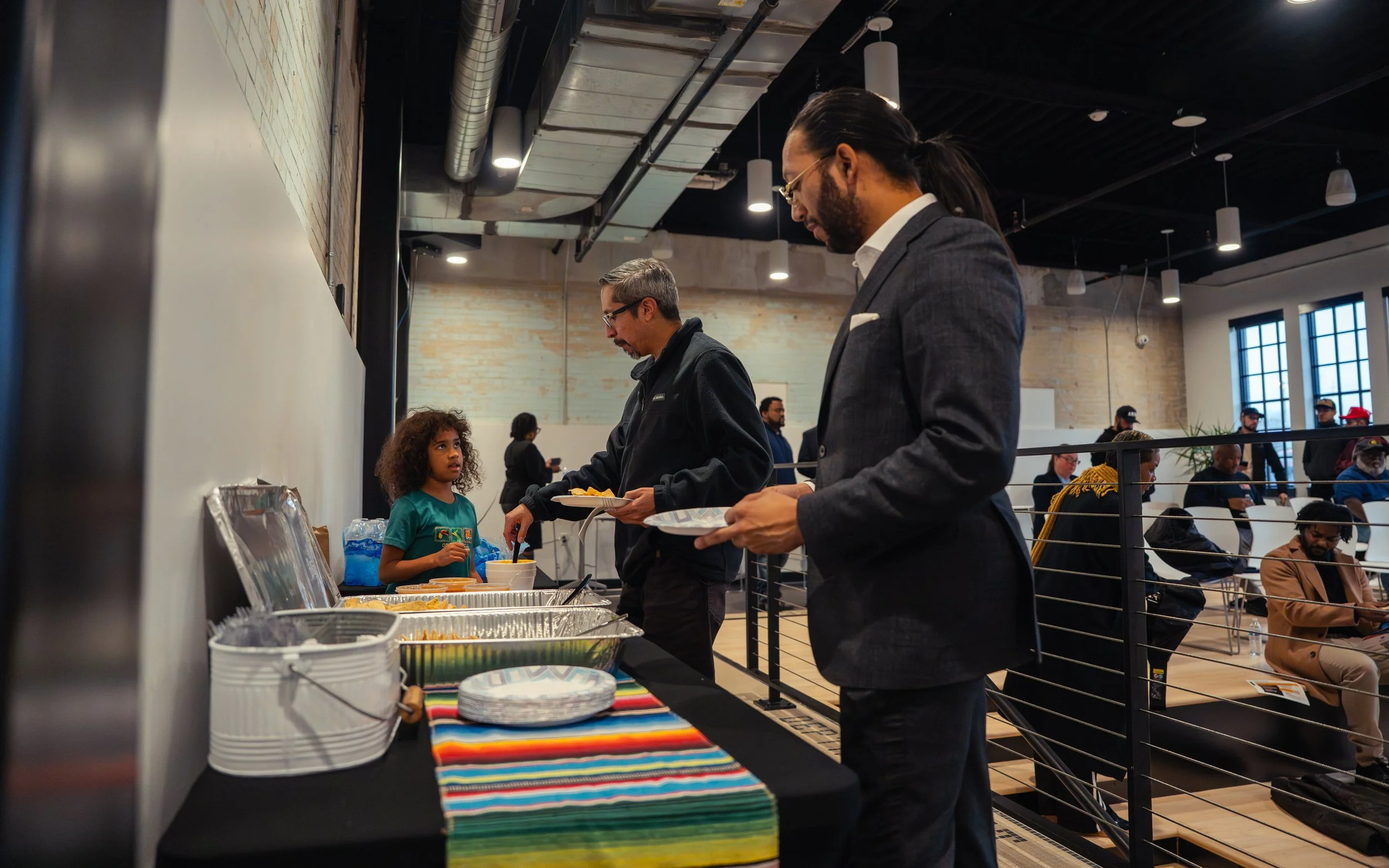
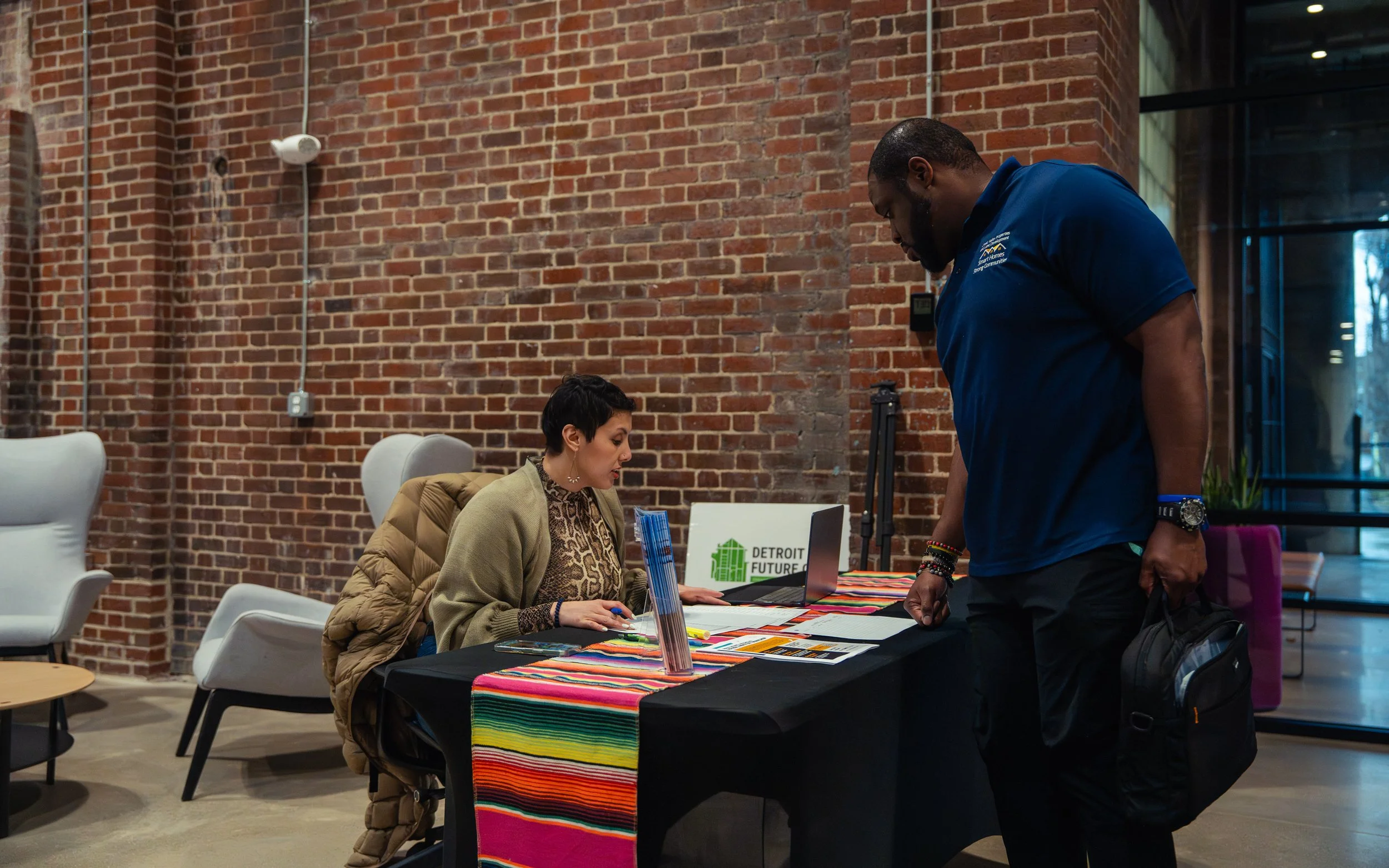
DFO313’s Real Talk series, launched in February by AGI Construction co-founders Tanya Saldivar-Ali and Luis Ali, brings contractors, developers, and community members together for unfiltered conversations about the systems that shape who gets to build in Detroit. The first session featured developer Richard Hosey breaking down the financing structures that keep local contractors off major job sites. The second – co-hosted by Invest Detroit and held at the Jefferson Hub in Midtown – turned to affordable housing, with Gajewski and D’Marco Ansari as guest speakers and Saldivar-Ali moderating.
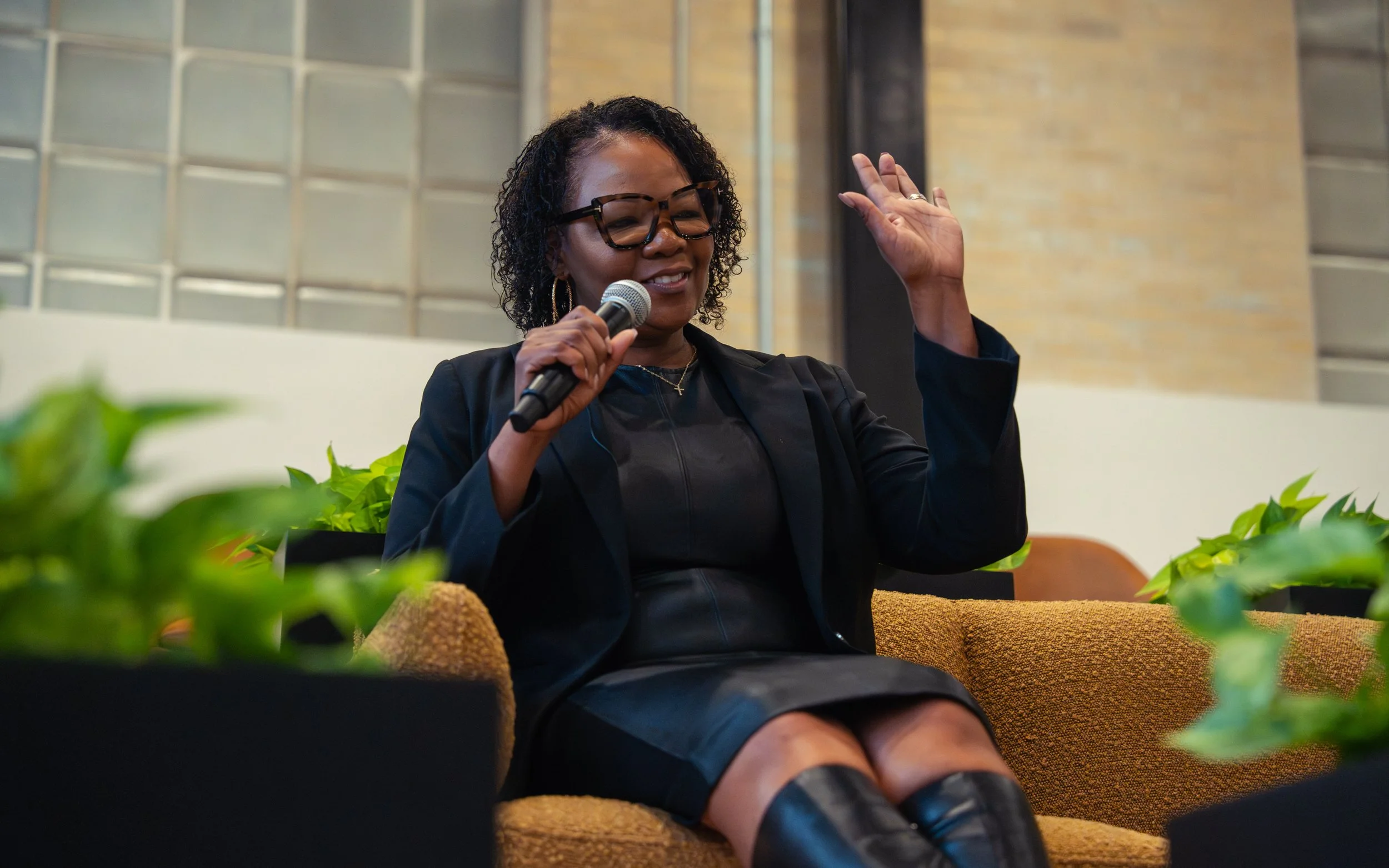
Gajewski is the CEO of Gajewski Homes, LLC and one of the few licensed Black female home builders in Michigan. She is currently leading a $21 million development in Inkster, building 72 single-family homes in a city that hadn’t seen new housing construction in over 20 years. She got the project off the ground using a combination of modular and stick-built construction that brought her cost down to about $200 per square foot, well below the $300 per square foot that the City of Detroit now uses as its benchmark.
The modular approach saves money and time. A 1,400 to 1,500 square foot modular unit costs her around $98,000. While the factory builds the house, her crews pour the foundation and run utilities on site. A crane sets the boxes on the foundation, and her local tradespeople finish the roof, siding, brick, and garage.
It took her three years from seeing the plot of land to putting a shovel in the ground. She pitched her project to at least 40 lenders before she found two who said “yes”.
“I was desperate at first,” Gajewski told the audience. “And then I got fed up and flipped it: ‘I want to share my project with you. I know it’s a great project. Do you have time to listen to it?’”
Ansari, the West Region Development Director for the City of Detroit’s public-private partnership team and founder of Springboard Holdings Detroit, laid out the cost trajectory. In 2020, the City of Detroit estimated it cost about $225 per square foot to build a house. Today that number is $300. That means a modest three-bedroom home, around 1,000 square feet, costs $300,000 just to construct. The National Home Builders Association reported in February that 47.5 million households across the country can only afford a home priced at $200,000 or less. The big takeaway: the people who need the houses can’t afford what it costs to build them.
“There’s always a conversation about single-family infill,” Ansari said. “But I don’t know if the mechanisms are fully there to create it, which means we have to get very creative.”
Building the house is only half the problem, Ansari said. On the buyer side, credit scores and income thresholds knock out families who qualify for down payment assistance on paper but can’t get a mortgage in practice. Redlining in lending is not history. He pointed to Fifth Third Bank, which paid out $18 million in settlement fees in 2015 for discriminatory auto loan pricing against Black and Hispanic borrowers.
“When we talk about affordability, we have to remember that the people who need these homes are not always the ones who can access the mortgage either,” Ansari said.
When Saldivar-Ali turned the conversation to what contractors actually need, Gajewski cut straight to the point. “Pay them on time.”
She said she has invoices from December that are still outstanding. “Why am I funding your project? Then you tell me I don’t have the capacity to do more. Well, I don’t, because you haven’t paid those invoices.”
Ansari flipped the room’s assumption about who belongs in development. Most contractors think developers have some knowledge they don’t, but Ansari said it’s the other way around. “You probably are better positioned to do development than a developer is to do construction,” he said, alluding to how a developer sitting in a preliminary plan review who gets asked a technical question about the actual building often can’t answer it.
His advice was to start with what they already know. Buy a house, rehab it, rent it, and do it again five or ten times. Now you have a portfolio, you have equity, and when you sit down with a banker you’re not asking for a favor. You’re showing them what you’ve already built, he said.
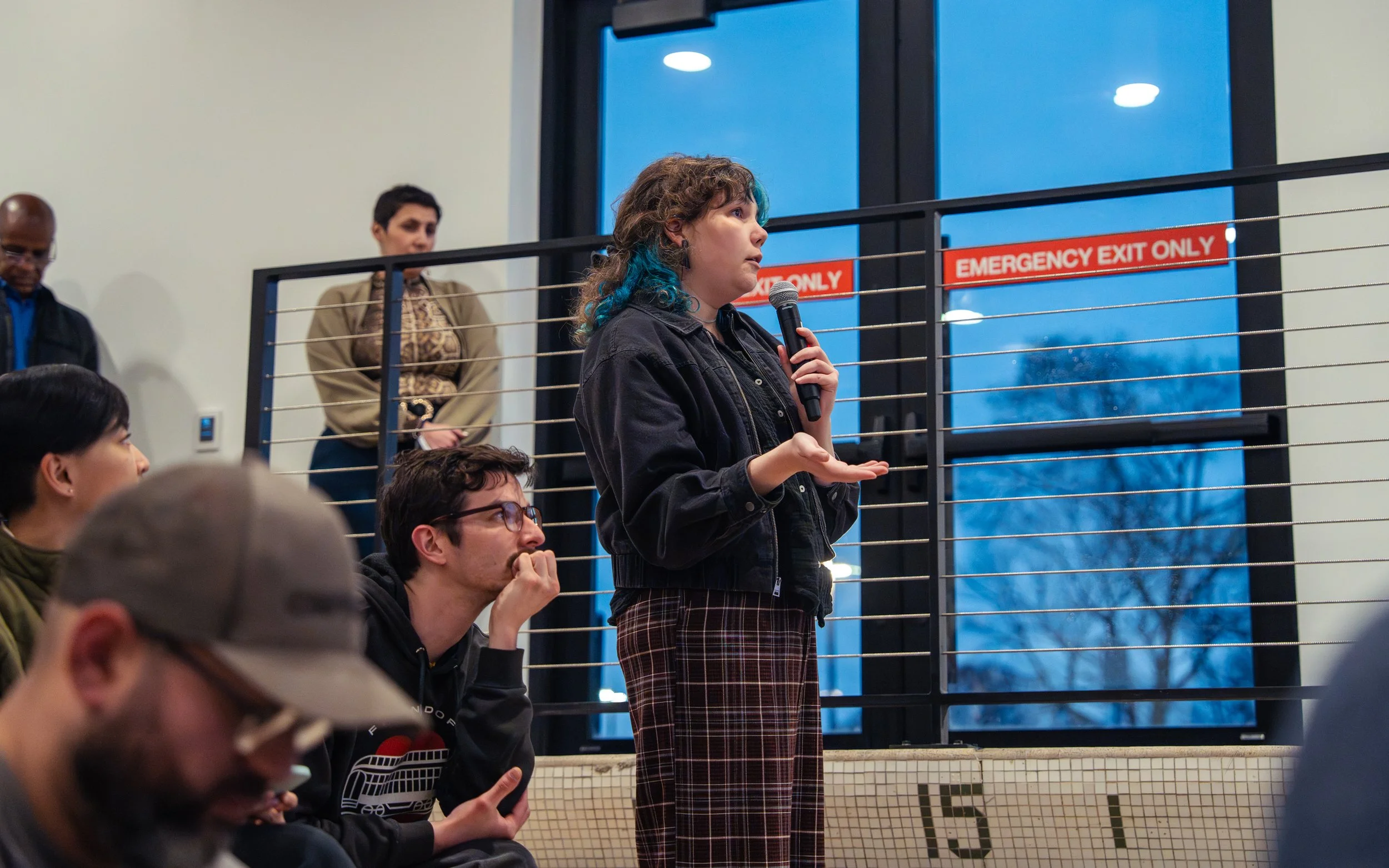
Kendra Paul, owner of Skill Set Construction and Landscaping and a licensed builder since 2018, pushed back from the audience. She submitted her CRIO minority business certification paperwork two years ago and never got a response. When she followed up at a meeting, they confirmed they had her paperwork and told her to resubmit everything. The resources the panelists recommended, she said, don’t always work the way they’re supposed to.
It was a point Ansari addressed head on. “What you’ve described is a gatekeeper who blocked you from getting certified,” he said. “That is not what’s supposed to happen.” He told her the city works for her, and if one door closes, go to the next. “Go floor to floor if you have to.”
Rodnesha Ross, executive director of Youth Community Agency, asked how nonprofits can get the same access as for-profit developers. She said she gets calls at three and four in the morning from families sleeping in their cars. Ansari told her to reframe her approach. “Coming in as ‘a nonprofit with property’ is a very different conversation from ‘a community development organization seeking to do larger housing development,’” he said.